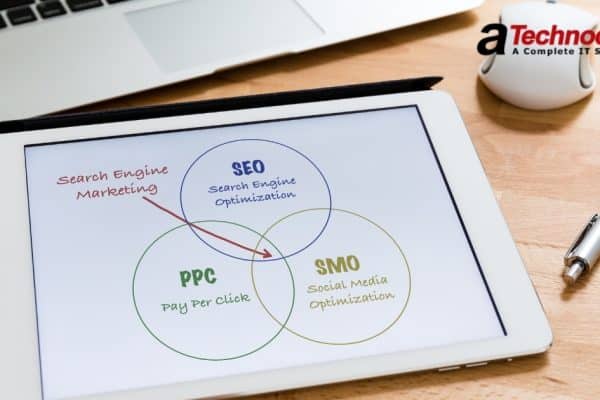
Integrated digital marketing transforms how Indian businesses approach online growth. Most companies run separate digital marketing campaigns like having three engines but only using one at a time. They invest in SEO, PPC, and social media marketing as isolated efforts. The result? Wasted budgets and missed opportunities.
Integrated digital marketing changes everything. When you connect your marketing channels, something powerful happens. Each channel amplifies the others. Your SEO efforts boost PPC performance. Social media drives organic traffic. Email marketing supports both paid and organic campaigns.
After integrating 250+ marketing strategies for businesses across India, we discovered the 1+1+1=5 effect. Three individual channels working together generate five times the impact. This article reveals the exact integration framework that transforms scattered marketing efforts into revenue-generating systems.
Why Integrated Digital Marketing Matters
Integrated digital marketing creates consistency across all customer touchpoints. When someone sees your Facebook ad, visits your website, and receives your email, they experience the same message. This consistency builds trust faster than fragmented communications.
The customer experience improves dramatically with integration. Visitors who discover you through organic search can be retargeted with relevant PPC ads. Social media followers receive email content that matches their interests. Every interaction feels personal and connected.
Better attribution becomes possible when channels work together. You finally understand which combinations drive conversions. Cost efficiency jumps significantly with integrated digital marketing. Shared content reduces production costs. Cross-channel data eliminates guesswork. Indian businesses using integrated approaches typically see 40% better ROI compared to siloed efforts.
Competitive advantage grows stronger with integration. While competitors run disconnected campaigns, your unified approach dominates customer attention. Multiple touchpoints increase brand recall by 300% compared to single-channel marketing.
Understanding the Customer Journey
Modern customers don’t follow simple paths to purchase. They discover, research, compare, and buy across multiple channels. Integrated digital marketing maps perfectly onto this complex journey.
The awareness stage starts when potential customers realize they have a problem. They might see your Facebook ad, find your blog through Google search, or discover you through a friend’s social media share. Each channel plays a specific role in creating initial awareness.
The consideration stage involves active research and comparison. Prospects visit your website multiple times. They read reviews, compare features, and seek recommendations. SEO content answers their detailed questions. PPC ads keep you visible during competitor research. Social media provides social proof through reviews and testimonials.
The decision stage focuses on final conversion drivers. Price comparisons, trust signals, and ease of purchase determine the winner. Integrated digital marketing ensures you stay visible during this critical phase through remarketing, social media retargeting, and email sequences.
SEO + PPC Integration Strategies
The most powerful integrated digital marketing combination connects SEO and PPC. These channels share the same audience but work at different speeds. SEO builds long-term organic visibility while PPC delivers immediate results.
Data sharing creates the foundation for integration. PPC campaigns generate immediate keyword performance data. High-converting PPC keywords become priority targets for SEO campaigns. Search impression share data from PPC shows which keywords need organic support.
RLSA (Remarketing Lists for Search Ads) transforms PPC performance. Visitors who discovered you through organic search receive different PPC ads when they search again. These warm audiences convert at 300% higher rates than cold traffic.
Keyword strategy coordination eliminates internal competition. PPC handles high-competition commercial keywords where organic ranking takes time. SEO focuses on informational long-tail keywords that PPC can’t target profitably.
Testing keywords through PPC before investing in SEO saves significant time and money. If a keyword doesn’t convert in PPC, it won’t convert organically either. Brand protection requires both organic and paid presence. Competitors can bid on your brand name in PPC.
SERP dominance occurs when your organic listing and PPC ad appear together. This combined visibility increases total clicks by 50% compared to either channel alone. Budget allocation becomes dynamic with integration. High-performing PPC campaigns can shift budget to accelerate SEO efforts.
SEO + Social Media Integration
Integrated digital marketing connects SEO and social media through content amplification and audience development. Social media accelerates content distribution while SEO provides evergreen content for social sharing.
Content amplification starts with publishing SEO-optimized blog posts on your website. These posts then get shared across social media platforms with platform-specific adaptations. A single piece of content serves multiple marketing purposes.
Social signals impact SEO indirectly through increased traffic and engagement. While social shares aren’t direct ranking factors, content that performs well socially often attracts natural backlinks and generates more organic traffic.
Keyword research synergy creates content opportunities across both channels. Social media listening reveals trending topics and questions. These insights inform SEO content creation and social media posting strategies.
Link building accelerates through social media distribution. High-quality content shared on social platforms attracts attention from bloggers, journalists, and industry influencers. These connections often result in natural backlinks that boost SEO performance.
Local SEO benefits significantly from social media integration. Location-based social posts and check-ins improve local search visibility. User-generated content from social media provides fresh website content and engagement signals.
PPC + Social Media Integration
Audience targeting creates the strongest connection between PPC and social media marketing. Customer data from both platforms enables precise targeting and higher conversion rates.
Custom audiences in Facebook and Google Ads use the same customer data sources. Email lists, website visitors, and app users can be targeted across both platforms. Website visitor remarketing works across both Google Ads and social media platforms.
Creative testing insights transfer between platforms effectively. High-performing ad creative on Facebook often works well in Google Display campaigns. Successful Google search ad copy can inspire social media ad headlines.
Lookalike audiences created from Google Ads converters can expand reach on social media platforms. High-value customers identified through PPC campaigns become the foundation for social media audience expansion.
Budget optimization balances performance across platforms based on cost per acquisition and lifetime value metrics. Campaign coordination ensures message consistency during product launches and promotions.
Email Marketing Integration
Email marketing connects all integrated digital marketing channels through direct customer communication and advanced segmentation capabilities.
SEO integration occurs through email content promotion and subscriber engagement. Email newsletters can promote new blog posts, driving traffic and engagement signals that benefit SEO performance.
Email lists provide warm audiences for PPC remarketing campaigns. Subscribers who don’t open emails can be retargeted through Google Ads and Facebook ads. This multi-channel approach increases message visibility and conversion opportunities.
Social media integration builds email lists and enhances social media performance. Lead magnets promoted on social media grow email lists. Email content can be repurposed for social media posts, maintaining consistent communication across channels.
Cross-channel nurturing sequences guide prospects through complex sales processes. Someone who downloads a lead magnet can receive email sequences, targeted social media content, and relevant PPC ads simultaneously.
Content Marketing Integration
Content marketing serves as the foundation for integrated digital marketing by providing valuable material that all channels can utilize and distribute.
The website blog functions as the central content hub that feeds all other marketing channels. Every blog post creates opportunities for social media sharing, email newsletter inclusion, and PPC landing page content.
Content distribution multiplies the value of each piece created. A comprehensive blog post about digital marketing trends can become multiple social media posts, email newsletter sections, and PPC ad copy inspiration.
Format adaptation extends content reach across different audience preferences. Blog posts can become video scripts for YouTube and Facebook. Key statistics can become infographic content for Instagram and Pinterest.
Content theme coordination ensures consistent messaging across all marketing channels. Monthly content themes can guide blog post creation, social media campaigns, email newsletter topics, and PPC ad messaging.
Data and Analytics Integration
Unified tracking systems provide comprehensive insights that enable integrated digital marketing optimization and strategic decision-making.
Google Analytics 4 serves as the central hub for multi-channel tracking and attribution. All traffic sources, conversion paths, and user behavior data converge in this single platform for holistic analysis.
Customer Data Platforms consolidate user information from all marketing channels into single customer profiles. This unified view enables personalized experiences and more effective targeting across all channels.
Attribution modeling helps understand each channel’s role in the conversion process. Multi-touch attribution reveals the complete customer journey and helps optimize budget allocation decisions.
Performance dashboards consolidate metrics from all marketing channels for quick strategic overview. Regular strategy meetings ensure all team members understand cross-channel performance and optimization opportunities.
Integrated Digital Marketing Budget Allocation Strategy
Strategic budget distribution in integrated digital marketing maximizes overall ROI by allocating resources based on channel strengths and synergies.
Foundation budget allocation starts with website optimization and SEO (30% of total marketing budget). Quick wins through PPC campaigns receive significant initial investment (30% of budget). Social media engagement typically requires 25% of the marketing budget. Email marketing and content creation usually consume 15% of the budget.
Scaling budget allocation becomes data-driven as performance metrics reveal the most effective channel combinations. Seasonal adjustments optimize budget allocation for changing market conditions. Efficiency improvements through integration often reduce overall marketing costs while improving results.
Common Digital Marketing Integration Mistakes
Avoiding common integrated digital marketing pitfalls ensures successful implementation. Siloed team structures represent the biggest barrier to effective integration. When teams optimize individual channels without considering cross-channel impact, integration benefits disappear.
Inconsistent messaging across channels confuses customers and reduces campaign effectiveness. Poor data sharing prevents optimization opportunities and leads to competing campaigns targeting the same audiences.
Technology silos prevent data sharing and create inefficiencies. Integrated marketing requires platforms that can share data and coordinate activities across channels.
Measuring Success
Holistic measurement approaches evaluate integrated digital marketing performance based on overall business impact rather than individual channel metrics.
Overall revenue growth becomes the primary success metric for integrated campaigns. Customer acquisition cost calculation includes investment across all marketing channels divided by total new customers acquired.
Multi-touch conversion analysis reveals how different channel combinations contribute to sales. Cross-channel engagement metrics track how customers interact with multiple marketing channels. High cross-channel engagement typically correlates with higher conversion rates and customer value.
Conclusion
Integrated digital marketing has evolved from optional strategy to competitive necessity. Indian businesses can no longer afford to run disconnected marketing campaigns while competitors create unified customer experiences.
The integration framework outlined in this article provides actionable steps for connecting SEO, PPC, social media, email marketing, and content marketing into cohesive strategies. When implemented correctly, these coordinations typically improve ROI by 40% while reducing overall marketing costs.
The investment required for integrated digital marketing implementation pays dividends through improved efficiency, better results, and competitive positioning. Businesses that master integration dominate their markets while competitors struggle with fragmented approaches.
Ready to transform your disconnected marketing efforts into revenue-generating integrated strategies? Atechnocrat’s comprehensive integrated digital marketing packages combine all channels into unified campaigns that maximize your marketing ROI.
[Get Your Integrated Marketing Strategy Consultation – Free SEO Audit Included]
Our experienced team has successfully integrated marketing strategies for 500+ businesses across India. We’ll analyze your current efforts, identify integration opportunities, and create a customized roadmap for implementing integrated digital marketing that drives real business results.